

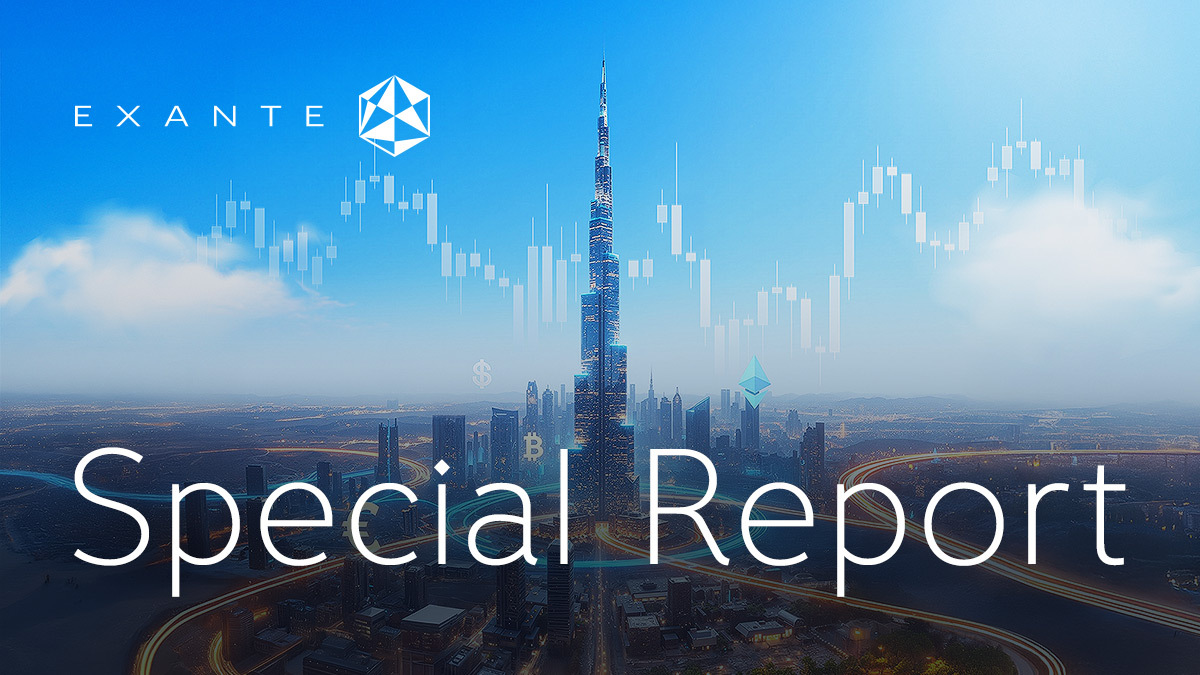
From the Abraham Accords to AI to FTAs: how to trade the new Middle East

Renée Friedman, PhD, Global Head of Research
The global economic and geopolitical landscape is shifting under the combined weight of uneven monetary policy normalisation, ongoing tariffs and tariff effects, an unprecedented adoption of new technologies, and a new phase of strategic realignment in the Middle East.
For investors and policymakers across the GCC, the task is to understand how these forces interact. Those who map the connections early will be best positioned to capture new avenues for trade, diversify exposure, and manage the next cycle of regional and global risk.
Monetary Policy: Divergence and Challenges
Sticky inflation, tariff risks and rising debt loads limit how far and how fast central banks can cut
Across major economies, and with the notable exception of Japan, global monetary policies largely continued to loosen throughout 2025. The Federal Reserve held rates steady for much of the year, resuming cuts only in September and October in 25 bps increments. The European Central Bank and other G7 central banks have taken similarly cautious paths, easing in response to cooling inflation and softening growth. This overarching challenge is familiar. A delicate balancing act between supporting labour markets while still anchoring inflation expectations.
While every effort has been made to verify the accuracy of this information, EXT Ltd. (hereafter known as “EXANTE”) cannot accept any responsibility or liability for reliance by any person on this publication or any of the information, opinions, or conclusions contained in this publication. The findings and views expressed in this publication do not necessarily reflect the views of EXANTE. Any action taken upon the information contained in this publication is strictly at your own risk. EXANTE will not be liable for any loss or damage in connection with this publication.
本文提供給您僅供資訊參考之用,不應被視為認購或銷售此處提及任何投資或相關服務的優惠招攬或遊說。金融商品交易涉及重大損失風險,可能不適合所有投資者。過往績效不代表未來表現。




由專業人士建立。為專業人士打造。
